


Aura Browser
3.6259.00 Reviews
App Specs
- Version
- 1.6.5
- Updated On
- License
- Free
- Downloads
- 1,000,000+
- Developer
- Jerome Easy Tools
- Categories
- Tools
- Platform
- Android
Screenshots
 Analysis by AppCompare
I judge a mobile browser by what happens when the network is less than ideal, not just by how quickly a page appears on a strong connection. A browser can feel effortless at home and frustrating on a crowded train, in a patchy signal area, or while switching between Wi-Fi and mobile data. Aura Browser is a free tools app from Jerome Easy Tools, and its appeal is its approachable browsing experience. I’d consider it if I want a straightforward alternative on my phone, while keeping in mind that any browser’s usefulness depends on the sites I visit and the connection available.
How it fits into everyday browsing
The first thing I would put to the test is not a feature checklist but an ordinary routine: open a search result, read a long page, follow a link, then return to what I was doing. A browser earns a place on my home screen when that sequence feels manageable on a small display and doesn’t make me work to find the basics. Aura is presented as a smart browser, but I’d still judge it by these practical moments rather than expecting the label alone to guarantee a particular experience.
Network-dependent moments
With any mobile browser, loading a page relies on the connection as well as the browser itself. On a stable network, searching, opening pages, and moving between sites should be the natural focus. When reception weakens, I’d expect delays or incomplete loads to be possible, and I would avoid treating a slow page as proof that the browser is at fault before checking whether other apps can connect too.
That distinction matters if I’m opening a page from a message while walking between appointments. I can try the link once, give it a moment, and then decide whether to reload or wait until the connection improves. Repeatedly tapping reload during a signal dip rarely makes the page arrive sooner; it can instead make it harder to tell whether the original request is still working. A calm retry is a small habit, but it makes browsing on mobile less irritating.
Search and reading also put different demands on a connection. A short text page may be usable sooner than a site filled with large images or embedded media. If I only need an address, opening a lightweight result and reading the key details is often more practical than loading several rich pages at once. That is a general mobile-web trade-off, not a promise that Aura changes how a website delivers its content.
Using it in mobile contexts
The phone is where I’m most likely to browse in fragments: a quick check during a break, a few minutes in a queue, or a longer read once I sit down. A minimal-feeling interface can be helpful in those moments because a crowded screen makes it harder to focus on the page itself. I’d start by using Aura for a few familiar tasks—searching for a nearby service, reading a news article, or following a recipe—before deciding whether it suits my habits better than the browser I already use.
A practical everyday test is looking up a recipe while shopping. I might search for an ingredient, open a result, and check the quantities without needing to juggle several apps. If the shop’s reception is weak, I’d take a moment to let the page load before moving on, rather than assuming the browser can make an unreachable site available. For errands like this, the useful question is whether the browsing flow feels easy to resume when I glance away from the screen.
Worth Reading Before You Choose

EA SPORTS FC Mobile 26 Is a Bigger Football Game, but It Takes Time

Flipboard Shows What News Apps Must Do Beyond the Feed

Switching to Android Auto Means Rethinking Your Driving Routine

Google Calendar Makes a Crowded Week Easier to Manage

Ludo King Makes the Most of the Minutes Between Plans

Baby Panda World Brings Quick Play to Modern Phones, but Its Game Library Feels Busy
Screen size also changes what feels convenient. A page designed for desktop can be awkward on a phone regardless of which browser opens it. I’d use the site’s own mobile layout where available and avoid opening multiple results just to compare small details; keeping the task narrow helps conserve attention and can reduce needless loading. If I regularly need complex desktop pages, a larger-screen device or a browser experience built around that work may be a better fit.
When a page stalls, and what to try
When a page fails to load, I first check whether the problem is local to that site or part of a wider connection issue. Trying another familiar page can help separate the two. If that one also struggles, the sensible next step is to check the phone’s connection rather than changing browser settings at random. If other sites work normally, I’d retry the original page once and consider whether the site itself is slow or temporarily unavailable.
For a page that partly appears, I’d give it time before refreshing, especially if I’m on a weak connection. A reload starts another request and may not solve a problem caused by the network or the site. I also try to keep track of what I was doing before switching away: the search phrase or the name of the page is often enough to find it again if I have to reopen the browser. This simple recovery habit is useful with any mobile browser and avoids turning one stalled page into a longer troubleshooting session.
I wouldn’t use a browser as the only place to keep information I urgently need later. If a detail is essential for an appointment or journey, I save it in a suitable note or another dependable place rather than assuming an open web page will remain ready. That is not a criticism unique to Aura; it’s a sensible boundary for any app that depends on websites and connectivity.
Data-conscious browsing
When I’m using mobile data, I pay attention to what I open. A page with lots of pictures or video can use more data than a simple text result, so I avoid loading media-heavy pages unless they’re relevant to what I need. The built-in ad blocker described for Aura may make pages less cluttered, which I appreciate, but I wouldn’t treat it as a guarantee of a particular data saving or assume every site will behave identically.
One useful habit is to search first, then open only the result that looks most likely to answer the question. That keeps the session focused and avoids loading several pages just to discover they cover the same ground. For example, when checking a store’s opening information, I’d look for the business’s own page or a clear listing and verify the detail there instead of browsing a chain of unrelated results. If the information matters, I also pay attention to how recently the page appears to have been updated.
Personalized recommendations can make browsing feel more relevant, but they are not always what I want when I’m trying to use as little time or data as possible. I’d treat a content feed as optional discovery rather than a substitute for direct search: useful when I’m curious, easy to ignore when I have a specific task. That distinction helps me stay in control of a browsing session instead of letting suggested reading turn a quick check into an extended scroll.
Who should choose it—and who may prefer another browser
Aura makes the most sense to me for someone who wants a mobile browser to handle everyday searches and reading without a lot of setup. Its free price makes it easy to try, and its Everyone content rating means it is presented for a broad audience. The app has an average rating of 4.2 from around 1.6 thousand ratings, with more than 500 thousand installs; those figures suggest it has attracted a meaningful audience, though they can’t tell me whether its interface or browsing habits will suit a particular person.
The release date is September 10, 2024, and the current version is 1.5.9. It requires Android 8.0 or later, so I’d check the phone’s Android version before planning to install it. If someone needs a browser on an older Android device, that system requirement may rule it out. I’d also check that the app is offered for the platform I use rather than assume availability across operating systems from a general mention of mobile browsing.
Compared with the browser already installed on a phone, Aura is worth considering if I want to try a different interface and its described ad blocking and personalized feed appeal to me. The default browser may be the better choice if I rely on a familiar workflow, existing account integration, or settings I have already arranged. I would not switch solely because a new browser sounds faster: page speed varies with the site, the connection, and the device, and my own everyday tasks are a more useful test than a broad promise.
I’d be more cautious if my browsing depends on specialist extensions, a particular cross-device setup, or advanced controls I already know I need. The available description of Aura’s extension support is not enough for me to assume that a specific add-on will work as expected, so I’d verify that before making it my main browser. Likewise, anyone handling sensitive work should review the browser’s privacy choices and make sure they match their own requirements rather than treating a private mode as a complete privacy solution.
First Impressions
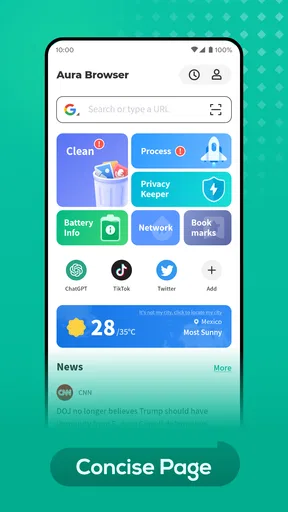
So, I downloaded the Aura Browser the other day because, honestly, I was getting a bit tired of my usual browser eating up all my phone’s resources. Right off the bat, I noticed how sleek the interface is. It's minimalistic yet stylish, with a smooth, modern design that doesn’t overwhelm you with options. This makes it super easy to navigate, even for those who might not be the most tech-savvy.
The setup process was incredibly straightforward. Within minutes, I was ready to explore its features. And let me tell you, this app is packed with some really cool functionalities that make browsing not only efficient but also fun.
Features that Stand Out
One of the first features that caught my attention was the built-in ad blocker. It’s a game-changer for anyone tired of those pesky pop-ups that just never seem to end. With this feature, browsing is not only faster but also less distracting. Plus, who doesn’t love a cleaner, ad-free experience?
Another neat feature is the personalized content feed. The Aura Browser learns from your browsing habits and suggests content you might find interesting. It’s like having a personal assistant that knows exactly what you want to read next. I found myself discovering articles and videos I wouldn’t have come across otherwise.
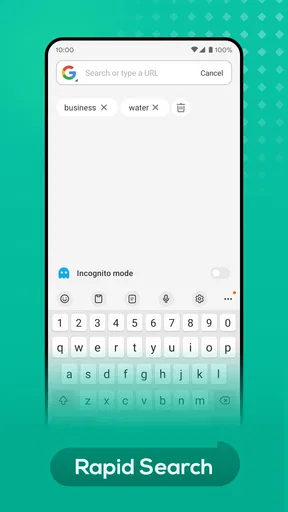
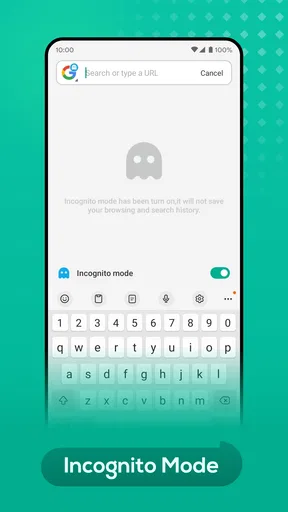
Oh, and let’s not forget about the privacy features. In today’s age, privacy is a big concern, and Aura doesn’t disappoint. With its private browsing mode and enhanced security settings, you can surf the web with peace of mind knowing that your data is safe.
Performance and Usability
When it comes to performance, the Aura Browser is incredibly fast. Pages load quickly, and I didn’t experience any lag, even with multiple tabs open. This is a huge plus for someone like me who tends to multitask a lot.
The app also supports a variety of extensions, which is awesome if you’re looking to customize your browsing experience. Whether it’s for productivity, entertainment, or social media, there’s likely an extension that fits your needs.
Usability-wise, I appreciated the intuitive layout. Everything you need is right at your fingertips—easy to find and easy to use. The navigation is smooth, and I didn’t encounter any bugs or crashes during my time with the app.
Final Thoughts
Overall, my experience with the Aura Browser has been nothing short of fantastic. It combines style with substance, offering a browsing experience that’s both enjoyable and efficient. Whether you’re someone who spends hours online or just needs a reliable browser for quick searches, Aura has got you covered.
If you’re looking to switch things up and try something new, I highly recommend giving this app a shot. It’s available for both Android and iOS, so you can download it and see for yourself. Who knows, it might just become your go-to browser too!
My connectivity verdict
For me, the fairest way to judge Aura is to separate the browser’s day-to-day feel from the limits of the mobile web. A tidy interface, ad blocking, and a feed for discovery can make ordinary browsing more pleasant, but none of them can guarantee that a slow website will load quickly when the signal is poor. I’d give it a real try on the kinds of pages I visit most, including one session on mobile data, before deciding whether it deserves to replace my current default.
I’d recommend trying it if you want a free browser to explore for routine searches, reading, and casual discovery, and if its stated Android requirement fits your device. I’d stick with another option if a specific extension, established sync setup, or advanced privacy workflow is essential to me. That is the practical trade-off: Aura may suit someone looking for a fresh, approachable way to browse, while a familiar browser can remain the smarter choice for people whose daily routine depends on features they already know work for them.
Pros
- Fast and responsive browsing experience.
- User-friendly interface with intuitive design.
- Strong privacy features and ad-blocker.
- Customizable themes and extensions.
- Built-in VPN for added security.
Cons
- Limited plugin support compared to competitors.
- Occasional crashes on older devices.
- High memory usage with multiple tabs.
- Some features locked behind premium version.
- Inconsistent updates for bug fixes.
FAQs for Aura Browser
What platforms does Aura Browser support?
Aura Browser is available on both Android and iOS platforms, ensuring a seamless browsing experience on a wide range of devices. Whether you're using a smartphone or tablet, Aura Browser is optimized for performance and security, providing users with a reliable and fast browsing option.
How does Aura Browser enhance privacy and security?
Aura Browser places a strong emphasis on user privacy and security by incorporating advanced features like ad-blockers, anti-tracking tools, and secure browsing modes. These features help protect your data from third-party trackers and ensure a safer browsing experience by minimizing exposure to malicious sites.
Can I customize the browsing experience on Aura Browser?
Yes, Aura Browser offers a variety of customization options, allowing users to personalize their browsing experience. From themes and layout adjustments to personalized shortcuts and bookmark management, Aura Browser makes it easy for users to tailor the browser to their preferences and needs.
Does Aura Browser support extensions and add-ons?
Aura Browser supports a wide range of extensions and add-ons, enabling users to enhance functionality and productivity. Whether you need tools for productivity, entertainment, or security, Aura Browser’s extension library offers numerous options to improve the browsing experience.
What are the key features that make Aura Browser stand out?
Aura Browser stands out due to its speed, user-friendly interface, and robust security features. Key features include a built-in ad-blocker, customizable user interface, private browsing modes, and a wide range of extensions. These elements combine to offer a superior browsing experience tailored to modern user needs.


